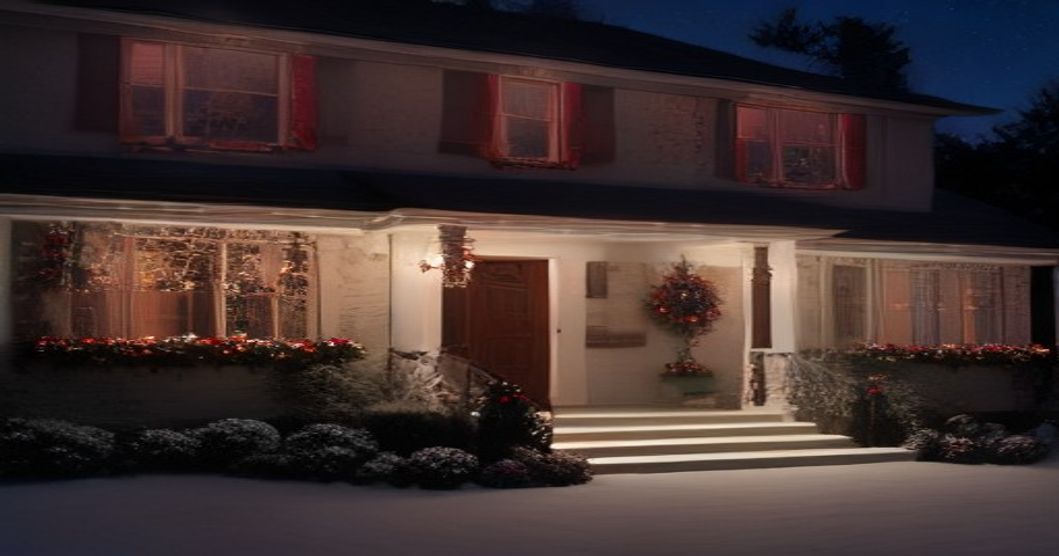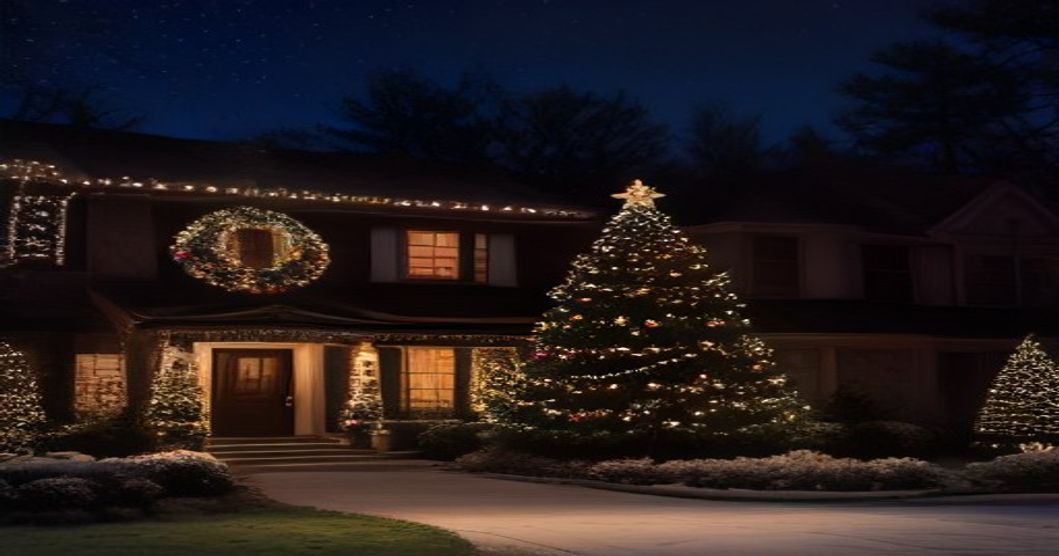
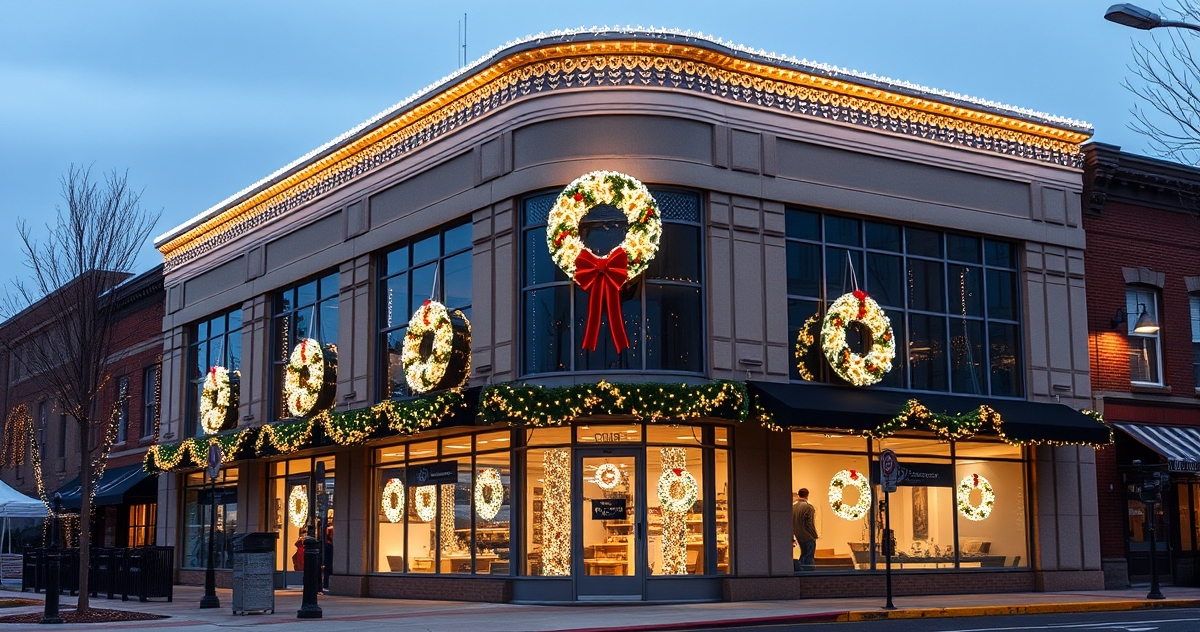
Picture this: a lakeside New Hampshire venue at dusk, the tree line glowing amber, warm white Mini Lights cascading across a reception tent, and garlands of softly lit greenery guiding guests from the parking area to the ceremony space. It's effortless — and it took weeks of careful planning to make it look that way. Outdoor event lighting in New Hampshire isn't just about aesthetics. It's about permits, power, safety, and timing. Event planners who treat lighting as an afterthought often find themselves scrambling days before a major event. Those who plan early get the magic.
Whether you're coordinating a corporate gala at a mountain resort, a summer wedding at a lakefront estate, or a large municipal celebration, understanding the technical and logistical realities of outdoor event lighting is essential. This guide walks through everything planners working with New Hampshire commercial venues need to know before booking a lighting installation.
Permitting Considerations for Large-Scale Outdoor Lighting in NH
One of the most overlooked aspects of outdoor event lighting is the permitting landscape. In New Hampshire, regulations vary significantly by municipality, and what's permitted in one town may require a full electrical inspection permit in another. For events held on public property — parks, downtown squares, waterfront areas — you'll almost certainly need to coordinate with local authorities well in advance.
Here's what planners should be thinking about:
- Temporary electrical installations in New Hampshire often fall under the jurisdiction of the NH Department of Fire Safety, especially when generators or large power draws are involved. Commercial-scale installs may require a licensed electrician to pull a permit.
- Municipal venues and public spaces may require event lighting plans to be submitted as part of a broader event permit application. This is especially true for holiday markets, festivals, and large outdoor gatherings.
- Historic districts in towns like Portsmouth, Concord, and Exeter have additional aesthetic guidelines. Light colors, fixture types, and installation methods may be restricted to preserve the character of the area.
- HOA and private venue restrictions can also play a role for weddings and private events. Always confirm with venue management before committing to a lighting design.
Working with a professional lighting installer who is familiar with New Hampshire's regional permit requirements saves enormous time. At Holiday Lights Decor New Hampshire, we've worked across the state since 2006 and understand the nuances of local compliance. If you're unsure where to start, reach out to our team and we'll help you navigate the process before it becomes a bottleneck.
Generator vs. Hardwired Power: Choosing the Right Solution for Remote NH Venues
New Hampshire is full of breathtaking but logistically challenging event venues — barn properties in the Lakes Region, mountaintop lodges in the White Mountains, waterfront estates without commercial-grade electrical infrastructure. Power access is one of the first questions any serious lighting installer will ask, and planners need to have an honest answer ready.
Hardwired power is the gold standard when it's available. It's stable, quiet, and capable of supporting extensive lighting runs including hundreds of feet of warm white Mini Lights, multiple garland installations, and specialty accent lighting simultaneously. If a venue has a commercial electrical panel with adequate amperage, hardwired installs are almost always the better choice for reliability and long event durations.
Generator power becomes necessary at remote or underdeveloped sites, but it introduces its own considerations:
- Generators need to be sized properly. Undersized units cause voltage fluctuations that shorten bulb life and create safety hazards.
- Fuel management matters for multi-day events. A 10-hour outdoor gala needs a generator with enough capacity to run through the night without interruption.
- Noise levels can affect guest experience. Silent or inverter-style generators are preferred for ceremonies and intimate receptions.
- Placement and exhaust direction must be coordinated with venue and fire safety guidelines.
We also recommend reading our post on outdoor summer wedding lighting in New Hampshire for a deeper look at power planning for remote ceremonial spaces. Getting this right early prevents surprises on the day of the event.
How Garlands and Mini Lights Define Event Zones Without Barriers
One of the most underutilized techniques in professional event lighting design is using light to define space rather than physical structures. Rope barriers, stanchions, and signage are functional — but they're rarely beautiful. Garlands and Mini Lights create the same spatial guidance while actively enhancing the ambiance of an event.
Here's how it works in practice:
- Garlands draped between posts or along fencing naturally direct guests from one area to another. A row of lush, lit garlands leading from a venue entrance to a reception lawn signals the path without any signage required. In warm white, the effect is elegant and timeless. In multicolor, it becomes festive and energetic — perfect for holiday markets or family-friendly corporate events.
- Mini Lights woven through overhead structures — pergolas, arbors, tent frames — create a visual ceiling that defines a gathering zone. Guests instinctively congregate under lit areas, which helps planners manage flow without staff intervention.
- Perimeter lighting with Mini Lights along low hedgerows, stone walls, or temporary fencing communicates boundaries while keeping the overall aesthetic soft and inviting.
- Zone-specific color temperatures can differentiate areas for different purposes. A warm white cocktail hour area transitioning into a multicolor dance floor zone creates a natural energy shift that guides guest behavior intuitively.
This approach works exceptionally well for outdoor weddings, corporate retreats, and holiday events where a seamless guest experience matters more than utilitarian crowd management. For inspiration on how garland and Mini Light combinations work in ceremonial outdoor settings, our post on wedding arch garland lighting for outdoor ceremonies showcases some of our most popular design approaches.
The key is working with a designer who understands both the spatial logic of event flow and the technical requirements of lighting installation at scale. It's not just about placing pretty lights — it's about solving real planning challenges with a beautiful tool.
Professional Installer vs. DIY Rental: Why the Math Doesn't Work for Events
Event rental companies offer lighting packages, and at first glance, the price difference between renting a DIY kit and hiring a professional installer seems significant. But the true cost comparison tells a very different story — especially for commercial and venue-scale events in New Hampshire.
Consider what you actually get with a professional installation:
- Commercial-grade equipment that is tested, maintained, and appropriate for the scale of your event. Rental Mini Lights and garlands are often consumer-grade products that aren't rated for extended outdoor use or heavy-duty installation scenarios.
- Liability coverage. A licensed installer carries proper insurance. If a lighting element fails and causes property damage or injury during your event, liability falls on the responsible party. DIY installations shift that risk entirely to the planner or venue.
- Design expertise. An experienced installer doesn't just hang lights — they advise on placement, power requirements, safety clearances, and color choices that serve your event's goals. This is a creative and technical collaboration, not just a labor task.
- Time savings. Professional crews install large-scale lighting in a fraction of the time it takes an untrained team. On the day before a major event, that time is irreplaceable.
- Troubleshooting and on-call support. When a section of warm white Mini Lights goes dark an hour before guests arrive, a professional installer can diagnose and resolve the issue. A DIY renter is on their own.
For planners working with high-profile clients — corporate event sponsors, wedding couples, municipal organizers — the stakes of a lighting failure are too high to gamble on a rental kit and a YouTube tutorial. We've covered this topic in more depth in our post on top questions about holiday and event lighting answered, which addresses many of the practical concerns planners bring to us.
The bottom line: professional installation protects your event, your clients, and your professional reputation.
Seasonal Timing and Booking: NH Venues Fill Up Fast
New Hampshire's event season is compressed. Summer and early fall are peak periods for outdoor events, and the holiday season from late November through New Year's creates a second surge of demand. Professional lighting installers — especially those with commercial event experience — book out quickly during these windows.
For summer events, we recommend securing your lighting installer no later than early spring. For holiday season events, fall booking is essential. We've written about the advantages of early booking in our post on why booking holiday light installation in June makes sense for NH properties.
Early booking also allows time for site visits, design consultations, permit applications, and power assessments — all of which require lead time. Rushing any of these steps increases the risk of a suboptimal result or, worse, a compliance issue that halts installation entirely.
Planners who build a relationship with a reliable lighting installer gain a significant competitive advantage. Knowing that your lighting logistics are handled by a trusted professional allows you to focus on the dozens of other details that demand your attention.
Frequently Asked Questions
Do I need a permit for outdoor event lighting at a private New Hampshire venue?
It depends on the scope of the installation and the venue's location. Small residential-scale installs typically don't require permits, but commercial-scale temporary electrical installations — particularly those involving generators or significant power draws — may require permits under NH fire safety or electrical codes. Always check with your local municipality and work with a licensed installer who can navigate these requirements on your behalf.
What's the difference between warm white and multicolor Mini Lights for events?
Warm white Mini Lights create a classic, elegant ambiance that works well for weddings, corporate galas, and upscale private events. They photograph beautifully and complement most venue aesthetics. Multicolor Mini Lights bring energy and festivity — ideal for holiday markets, community celebrations, family events, and branded corporate gatherings where visual excitement matters. Many of our commercial event clients use both strategically to differentiate zones within a single venue.
Can garlands be used outdoors in New Hampshire's variable weather?
Yes, when properly specified and installed. We use commercial-grade garlands rated for outdoor use, and our installation methods account for wind, moisture, and temperature fluctuations common to NH events. We always recommend confirming your event's weather contingency plan and ensuring that any lighting elements are secured appropriately for the forecast conditions.
How far in advance should I contact a professional lighting installer for an event?
For peak season events — summer weddings, fall corporate gatherings, and holiday events — we recommend reaching out at least 60 to 90 days in advance. This allows time for site assessment, design planning, permitting if required, and scheduling. For large municipal or multi-venue events, even earlier is better. Our team at Holiday Lights Decor New Hampshire is happy to discuss your timeline and advise on what's feasible.
Is generator power safe for large outdoor lighting installations?
Generator power can absolutely be used safely when the generator is properly sized, positioned, and maintained. The key is working with an installer who understands electrical load calculations and can specify the right generator capacity for your lighting design. Improper sizing is the most common generator-related issue we see, and it's entirely preventable with professional planning.
Outdoor event lighting in New Hampshire is one of the most powerful tools a planner has — it transforms a venue, guides guests, sets a mood, and creates photographs that clients will cherish for years. But it requires the same careful planning as any other critical event element. From permits to power to product selection, the details matter.
Holiday Lights Decor New Hampshire has been serving commercial venues, event planners, and municipalities across the state since 2006. Our team brings the experience, equipment, and local knowledge to make your outdoor event lighting seamless and stunning. Contact us today to start planning your installation, or explore our full range of commercial lighting services to see how we can support your next event.