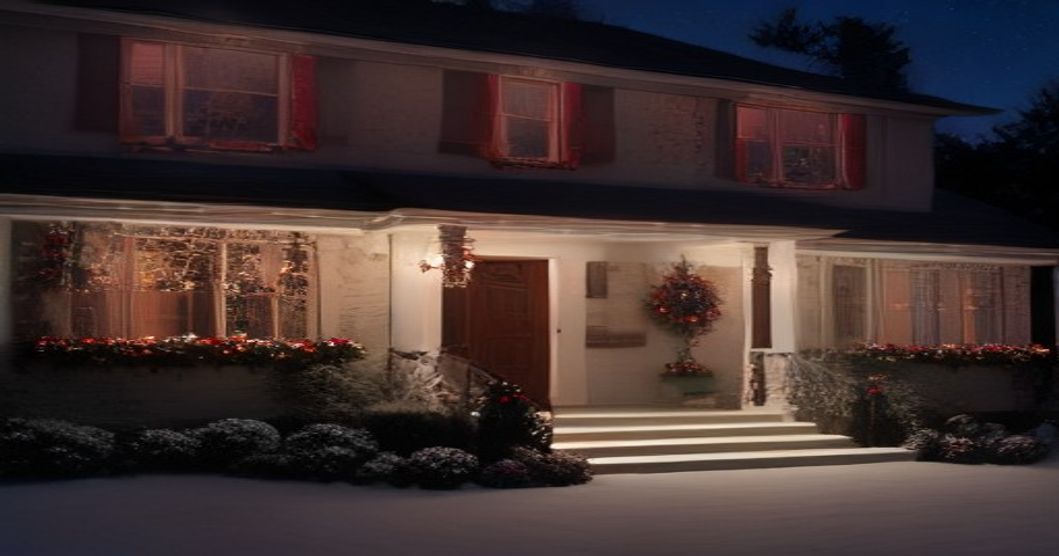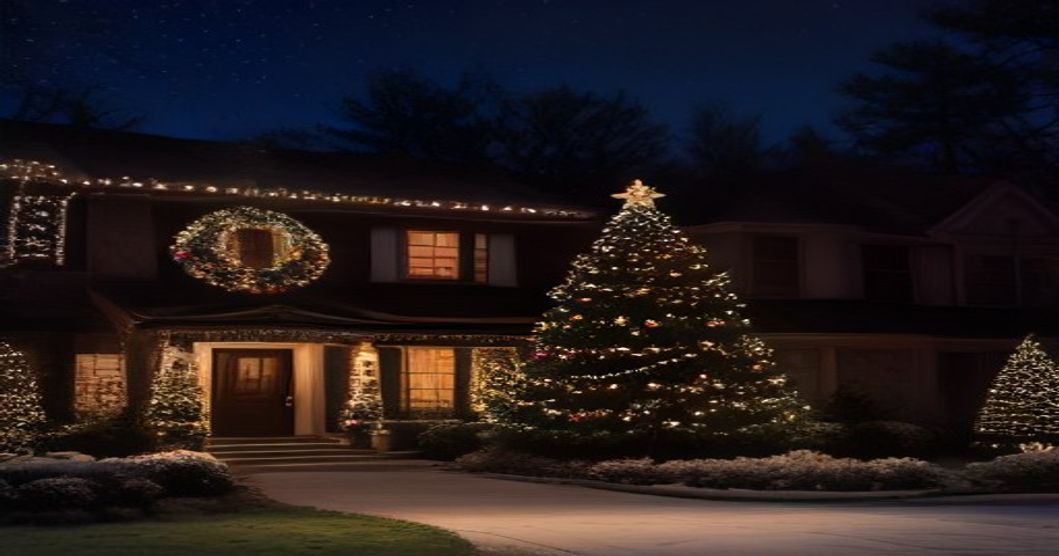
Picture this: the sun has just dipped behind the White Mountains, the first stars are appearing over a lake-view field in Carroll County, and every tent pole, arbor, and oak tree around you is glowing with soft, warm white light. Guests pause mid-conversation to take it in. That moment — that magic — doesn't happen by accident. It happens because someone planned the lighting.
Outdoor summer weddings in New Hampshire are breathtaking by nature. Rolling hills, covered bridges, barn venues, lakefront properties — this state gives couples a canvas unlike anywhere else in New England. But as the sky darkens and the reception moves into full swing, your lighting becomes the single most important design element on the property. Get it right, and the atmosphere carries the entire evening. Get it wrong, and no amount of floral arrangements can compensate.
Whether you're planning a ceremony in Moultonborough, a barn reception in Hollis, or a waterfront celebration in Meredith, this guide walks you through everything you need to know about outdoor wedding lighting in New Hampshire — from choosing the right products to working with a professional installer who knows this state's venues, weather, and safety requirements.
Why Warm White Mini Lights Are the Gold Standard for Outdoor Weddings
There's a reason warm white mini lights appear in nearly every professional wedding lighting installation. It's not trend-chasing — it's physics and psychology working together. Warm white light (typically in the 2700K–3000K color temperature range) mimics the golden quality of candlelight and late-afternoon sun. It flatters skin tones, enriches the color of floral arrangements, and creates a sense of intimacy even in large outdoor spaces.
Cool white or blue-toned lights, by contrast, can feel clinical and harsh against the natural backdrop of New Hampshire's forests and fields. Warm white mini lights dissolve into the landscape at a distance while drawing guests into the space up close. When layered properly — overhead across a tent ceiling, wrapped around tree trunks, woven through garlands along a fence line — they create depth and dimension that feels effortlessly romantic rather than staged.
Mini lights are also remarkably versatile. Their small bulb size means they conform to almost any surface: curved arbors, draped fabric, rough-barked trees, and delicate floral installations alike. When used at high density — hundreds or even thousands of points of light in a concentrated area — they produce that signature "starfield" effect that photographers love and guests remember for years.
For couples exploring what's possible with professional-grade residential outdoor lighting, our residential lighting services page shows a range of installations that translate beautifully to event settings across New Hampshire.
Professional Installation: Safety Around Tents, Arbors, and Trees
Here's something most couples don't think about until it's almost too late: outdoor wedding lighting is an electrical installation, and New Hampshire summer weather is unpredictable. An afternoon that starts at 85°F and sunny can turn into a wind-driven thunderstorm by 7 PM. The White Mountains create micro-climates. Coastal humidity affects connections. Ground conditions matter enormously when running power to remote locations on a farm or lakeside property.
This is where professional installation isn't just a convenience — it's a genuine safety consideration. A licensed and experienced lighting installer will assess the venue's power supply capacity before any lights go up, ensuring you don't trip breakers mid-first-dance. They'll use weatherproofed connectors and proper ground fault circuit interrupters (GFCIs) at every outdoor outlet, which are required by code and critical for safety when guests are present.
Around tent poles specifically, installation technique matters. Lights and garlands need to be secured in ways that allow the tent to flex in wind without pulling connections loose or creating trip hazards at the base. Around arbors — especially rental arbors that may not have been designed with lighting in mind — weight distribution and anchor points need to be evaluated carefully. And in trees, professional installers know how to run lines without damaging bark, how to tension cables so they don't sag under the weight of wet foliage after a rain shower, and how to ensure that power runs stay clear of foot traffic areas.
Working with a company that has operated in New Hampshire since 2006 means working with a team that has seen what this state's weather can do to an outdoor installation. Experience at venues across Rockingham, Hillsborough, Merrimack, Grafton, and Carroll counties means site-specific knowledge that a general event rental company simply can't match.
Garland Draping Techniques for Pergolas, Fences, and Ceremony Arches
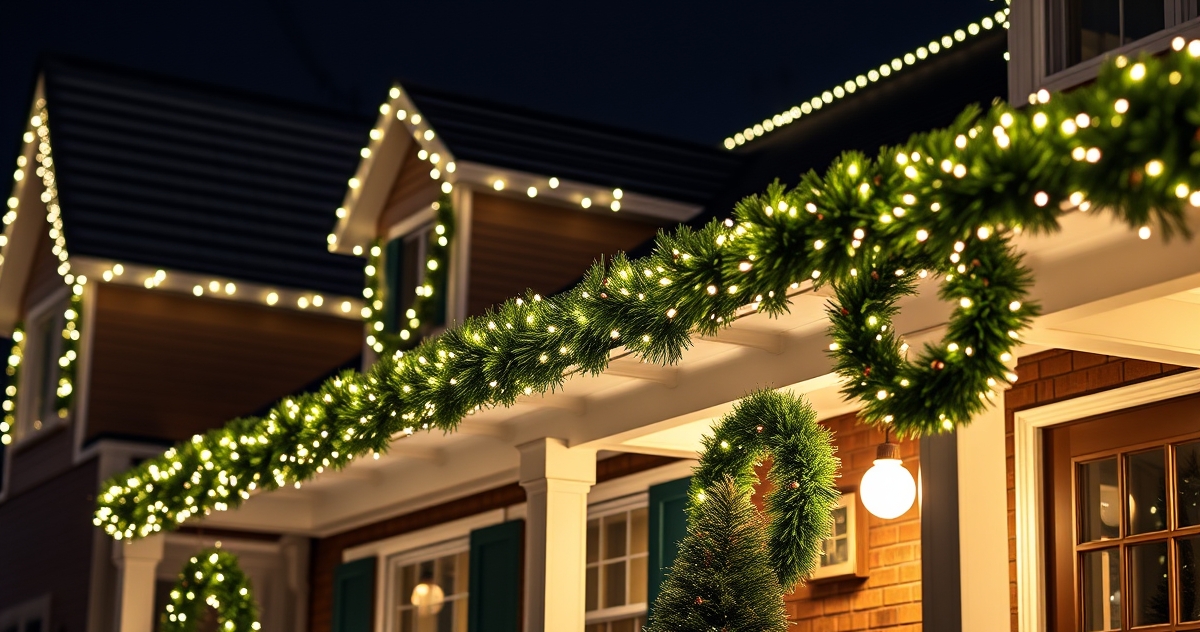
Garlands are one of the most underutilized tools in outdoor wedding lighting design. When most people think of garlands, they think of holiday decorations — evergreen swags on a mantle or wrapped around a staircase railing. But in a summer wedding context, lighted garlands become architectural elements. They define spaces, guide guests, frame views, and add layers of texture that string lights alone can't achieve.
For pergolas, the most effective technique is a combination of overhead canopy draping and vertical column wrapping. Warm white mini lights woven through garland draped between pergola beams create a ceiling of soft, dappled light that moves gently in summer breezes. Column wraps — where garland is spiraled from base to top of each post — anchor the space visually and make the structure feel intentional and designed rather than just functional.
Along fence lines leading to a ceremony space or reception area, garland can serve as a luminous guide, turning a utilitarian boundary into a glowing promenade. The technique here is consistent tension and spacing: garlands should loop evenly between fence posts at the same height, with mini lights either pre-woven into the garland or added after draping, depending on the density of glow desired.
Ceremony arches deserve special attention. The arch is the focal point of every ceremony — it's in every photograph, every video, every guest's memory. Garland draped over an arch should be full and generous, not sparse. The most impactful installations layer garland with mini lights and sometimes fresh or silk florals, creating a frame that glows warmly around the couple during vows. The lighting installer and the florist should coordinate on this element specifically, since the weight and attachment methods of each need to complement rather than conflict with each other.
We've covered outdoor entertaining and event lighting in more detail in our post on getting your outdoor space ready for summer entertaining in NH — many of those principles apply directly to wedding venue preparation.
Questions to Ask a Lighting Contractor Before Your NH Wedding Date
Not all lighting contractors are created equal, and wedding lighting specifically requires a skill set that goes beyond hanging holiday lights on a house. Before you sign a contract with any installer, here are the questions that will tell you everything you need to know:
- Are you licensed and insured for commercial event installations in New Hampshire? This is non-negotiable. You need a contractor with proper liability insurance for an event with guests present.
- Have you worked at my venue before? Familiarity with a specific property — its power supply locations, terrain, trees, and structural quirks — makes the difference between a smooth install and a chaotic one on your wedding day.
- How do you handle weather contingencies? New Hampshire summer weather can change fast. Ask specifically about their plan if it rains during installation or during the event itself.
- What is your plan for power distribution? The answer should include talk of load calculations, GFCI protection, and generator backup options if the venue's power supply is limited or unreliable.
- Do you coordinate with my other vendors? A good lighting contractor will want to speak with your tent company, florist, and venue coordinator before the wedding day. If they don't ask, that's a red flag.
- What does the installation and strike timeline look like? Installation often needs to happen the day before the event, and removal (the "strike") needs to be coordinated with venue checkout requirements. Get this in writing.
- Can I see examples of your outdoor event or wedding lighting work? Photos and references from actual New Hampshire events — not just holiday residential installations — are what you want to see.
You can also browse our recap of the most common event lighting questions we've answered for additional guidance on what to expect from the planning process.
Planning Your Wedding Lighting Timeline in New Hampshire
Timing is everything in New Hampshire event planning, and wedding lighting is no exception. Popular venues in the Lakes Region, the Seacoast, and southern NH fill up fast for June, July, and August Saturdays. Lighting contractors who do quality event work fill their calendars even faster, because they're often working with the same venues repeatedly and have priority relationships.
Our general recommendation: if your wedding is in peak summer season (June through August), reach out to your lighting contractor at least four to six months in advance. This gives enough lead time to do a proper site visit, develop a detailed lighting plan, source the right quantities of warm white mini lights and garlands for your specific layout, and coordinate with your other vendors.
A site visit is not optional for a quality installation. The contractor needs to walk the space, identify power sources, evaluate tree canopy and structural anchor points, and understand the flow of the event from ceremony through reception. A lighting plan built from a site visit will always outperform one built from a venue floor plan and a phone call.
If you're curious what a custom outdoor event lighting design process looks like from start to finish, our custom design services page walks through how we approach both holiday and event installations for clients across New Hampshire.
Frequently Asked Questions
How far in advance should I book outdoor wedding lighting in New Hampshire?
For summer weddings — especially June and July Saturdays — we recommend booking your lighting contractor at least four to six months in advance. Quality installers with event experience book quickly, and securing your date early also allows time for a proper site visit and custom lighting plan. The earlier you book, the more options you have for design customization.
What is the difference between mini lights and C9 bulbs for outdoor wedding use?
Mini lights are small, closely-spaced bulbs that create a soft, dense glow ideal for canopy installations, tree wrapping, garland weaving, and arch framing. They're the most popular choice for wedding lighting because of their fine detail and romantic warmth. C9 bulbs are larger, bolder bulbs typically used for perimeter lighting, rooflines, and pathway definition. For most wedding applications, warm white mini lights are the primary workhorse, with C9s used selectively for accent and boundary lighting if needed.
Can outdoor wedding lighting be installed on rental tents and temporary structures?
Yes, with proper technique and experience. Lighting on rental tents requires coordinating with the tent company on anchor points and load limits, using appropriate attachment hardware that won't damage the tent fabric, and routing power in ways that keep cords clear of foot traffic and tent staking areas. An experienced installer will have done this many times and will know exactly what each tent company requires. Always confirm that your lighting contractor has worked with rental tent installations before your event.
Do I need a generator for outdoor wedding lighting, or can I use the venue's power?
This depends entirely on the venue. Many established wedding venues have ample electrical infrastructure designed for events. However, barn conversions, farm properties, and remote lakefront venues may have limited panel capacity that can't support a full lighting installation without tripping breakers. A professional installer will perform a load calculation during the site visit and will advise you on whether a generator is needed. It's always better to know this months before the wedding than the night of.
What happens to the lights if it rains during our outdoor wedding?
Professional-grade outdoor lighting products are rated for exterior use and designed to operate in rain. A properly installed system with GFCI protection will shut down safely if a fault is detected, protecting guests. That said, heavy storms with lightning require a different protocol — your installer should brief you and your venue coordinator in advance on what to do if severe weather develops during the event. Having a clear communication plan in place means you're not making decisions under pressure on your wedding night.
Your New Hampshire wedding deserves lighting that's as carefully planned as every other element of the day. From warm white mini lights draped through ceremony arches to garlands glowing along a lakefront pergola at midnight, the difference between good and extraordinary often comes down to who installs it and how. Holiday Lights Decor New Hampshire has been serving residential, commercial, and municipal clients across this state since 2006 — and we bring that same level of care, precision, and site-specific knowledge to outdoor event and wedding lighting installations. Contact our team to discuss your date, your venue, and what we can create together before your summer wedding season arrives.