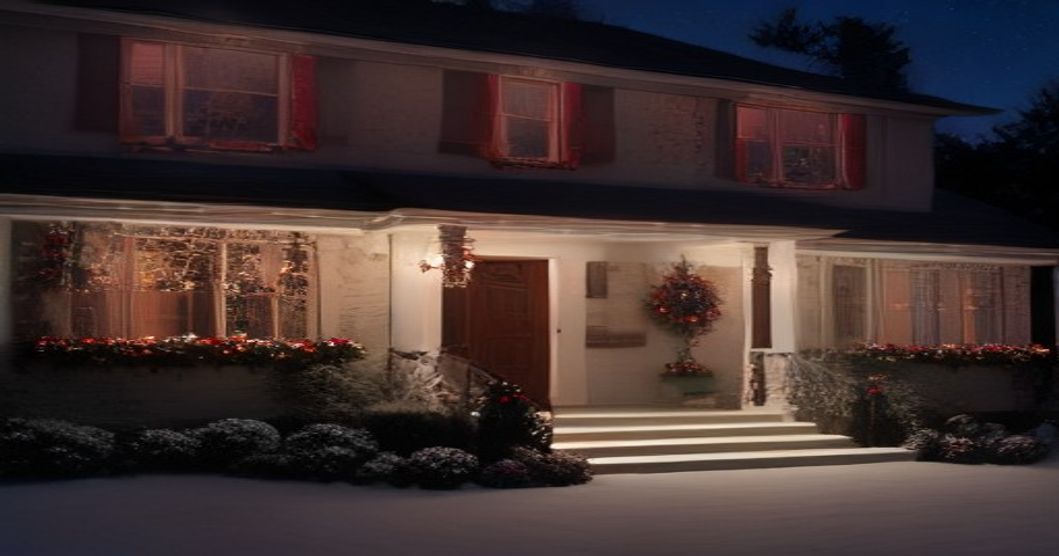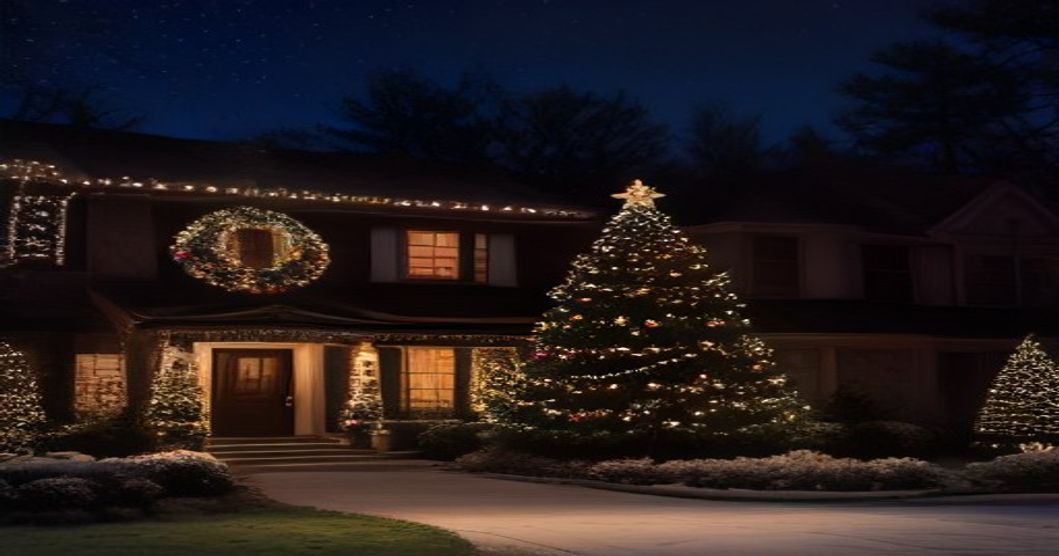
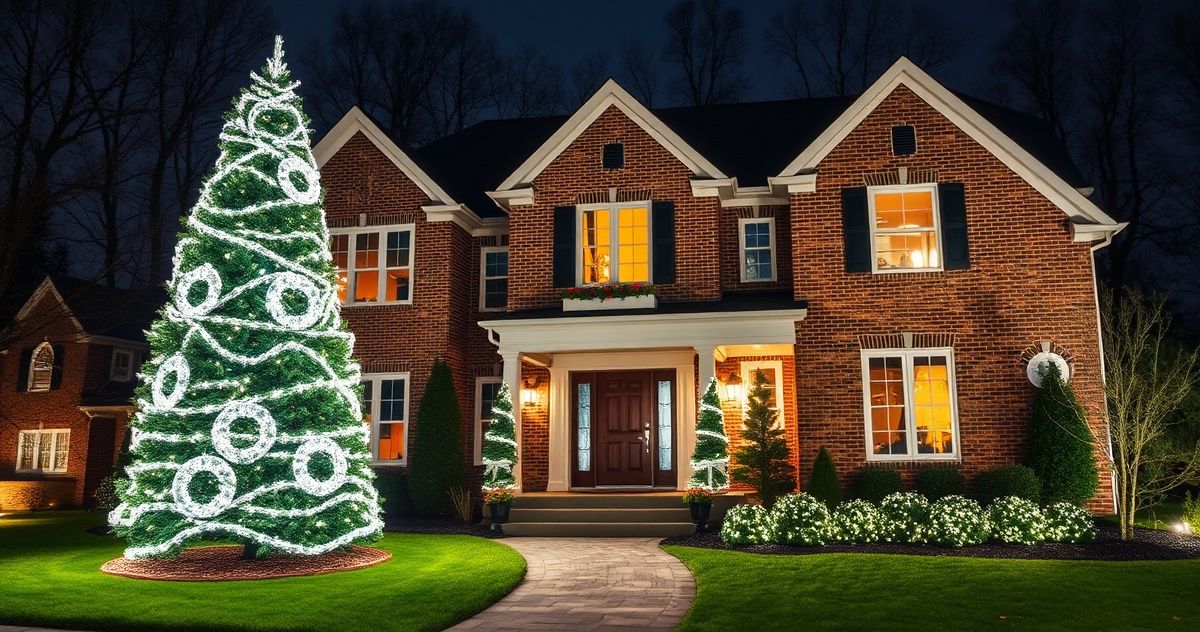
Picture it: a crisp December evening in New Hampshire, fresh snow dusting the ground, and your home glowing with a perfectly even line of warm white C9 bulbs tracing every edge of your roofline. No sagging strands, no dark gaps, no tangled mess — just clean, radiant light that makes your neighbors slow down to take a second look. That result doesn't happen by accident. It's the product of deliberate planning, the right hardware, and a crew that knows what they're doing before the first foot goes on a ladder.
Whether you're a homeowner curious about what professional roofline Christmas light installation in New Hampshire actually involves, or you're weighing a DIY attempt against hiring experienced hands, this step-by-step overview will walk you through the full process — from clip selection to color palette — so you understand exactly what goes into a flawless finished product.
Choosing the Right Clip for Your Roofline Profile
Not all rooflines are created equal, and the single most overlooked variable in any roofline lighting project is clip selection. The wrong clip means lights that shift in the wind, damage to your shingles or gutters, or strands that simply won't hold their line through a New Hampshire winter storm.
There are three primary clip types used in professional installations:
- Shingle clips — These slide directly under the bottom edge of an asphalt or architectural shingle and hold the bulb socket upright, keeping C9 bulbs perfectly vertical along the roofline. They're the most common clip used on the traditional pitched roofs found throughout NH neighborhoods. They cause zero damage because they rely entirely on the shingle's weight to stay in place.
- Gutter clips — Designed to snap over the lip of a standard aluminum or steel gutter, these work exceptionally well on homes where the roofline meets a full gutter system. They're fast to install and remove, making them a favorite for seasonal display work. The key is ensuring the clip matches your gutter's lip width — a mismatch leads to slipping.
- Metal roof clips — Standing seam metal roofs, increasingly popular on NH homes and barns, require a specialized clip that slides over the raised seam without penetrating the metal surface. These preserve your roof's warranty and waterproof integrity while still delivering a clean, professional roofline display.
Before a single bulb goes up, a professional crew walks the entire roofline to catalog which clip types are needed for each section. Many New Hampshire homes combine gutter sections with exposed shingle edges, requiring two or even three clip varieties on a single job. Getting this right from the start is what separates a clean installation from one that looks improvised.
For more details on what a full residential lighting service includes, visit our residential holiday lighting page.
How Spacing Transforms the Visual Line: 12-Inch vs. 6-Inch C9 Placement
C9 bulbs are the workhorse of professional roofline installations — larger than mini lights, bold enough to read from the street, and available in a wide range of colors to suit any home exterior. But the spacing between those bulbs determines everything about how the finished display looks.
The two most common spacing options are 12-inch and 6-inch intervals, and the difference is more dramatic than you might expect:
- 12-inch spacing creates a classic, traditional roofline look. The bulbs are distinct and individually visible, producing a dotted-light effect that reads elegantly from across the street. This spacing works beautifully with warm white and cool white C9 bulbs on colonial-style homes, cape cods, and craftsman-style houses common throughout New Hampshire.
- 6-inch spacing produces a denser, more luminous line that almost reads as a continuous glow from a distance. It's a bolder statement, ideal for commercial properties, larger homes, or homeowners who want maximum visual impact. A roofline in red and white C9s at 6-inch spacing creates a dramatically festive look that stands out even on a street full of decorated homes.
The choice of spacing also affects material costs and installation time, which is why a professional consultation matters. Our team at Holiday Lights Decor New Hampshire helps clients visualize both options — sometimes even showing reference photos from our portfolio — before committing to a plan. You can browse examples in our gallery to see how different spacings look on real New Hampshire homes.
One often-missed detail: spacing must remain perfectly consistent across the entire roofline. Even a single bulb slightly out of alignment breaks the visual rhythm and draws the eye negatively. Professionals use pre-spaced C9 string sets and measure anchor points carefully to maintain uniformity even around corners, peaks, and valleys.
Safety First: Ladder Angles, Roof Pitch Limits, and Why Two-Person Crews Are Non-Negotiable
Here's a sobering fact — falls from ladders are among the leading causes of serious injury during the holiday season, and roofline lighting work places people on ladders for extended periods, often on cold mornings when surfaces are slick and footing is unpredictable. This is where DIY roofline lighting carries real risk, and where professional installation genuinely earns its value.
There are several safety considerations that guide every professional roofline installation:
- Ladder angle — The correct angle for an extension ladder is a 4:1 ratio: for every four feet of height, the base should be one foot away from the wall. Too steep and the ladder tips backward; too shallow and it slides out at the base. On uneven or snow-covered ground — common on NH properties through much of the installation season — maintaining this angle requires constant attention.
- Roof pitch limits — Steeper roof pitches increase fall risk dramatically. Roofs with a pitch above 6:12 require specialized safety equipment or alternative installation methods that keep workers from stepping onto the roof surface at all. Professional crews assess roof pitch before every job and adjust their approach accordingly.
- Two-person crews — This is non-negotiable on any reputable installation team. One person ascends the ladder and handles the lights; the other stabilizes the ladder base, manages the cord and clip supply, and watches for hazards. A solo operator handling clips, cord, and ladder simultaneously is a recipe for a dangerous situation. Two-person crews also work significantly faster, reducing total time at height.
- Cold weather gear and grip — Insulated gloves that still allow dexterity, non-slip footwear, and scheduled warm-up breaks aren't luxuries — they're safety requirements when working through a New Hampshire November or December morning.
If you've been considering attempting roofline lights yourself, we'd encourage you to weigh the full risk picture honestly. Our contact page makes it simple to get a professional assessment and quote — often the cost is more reasonable than homeowners expect, especially when weighed against a potential ER visit.
You can also learn more about our full range of installation offerings on our services page.
Selecting Colors That Complement New Hampshire Home Exteriors
Color selection is where roofline lighting shifts from a technical exercise to a design one. New Hampshire homes span a wide range of architectural styles and exterior palettes — from white-clapboard colonials in Concord to cedar-shingled capes on the Seacoast to dark-stained timber-frame homes in the Lakes Region — and the right light color choice can elevate a home's natural curb appeal rather than compete with it.
Here's how to think through color selection by exterior type:
- Warm white C9 bulbs are the most universally flattering option. The soft amber-toned glow complements natural wood tones, cream-painted siding, brick, and stone equally well. For a New Hampshire farmhouse with a weathered gray exterior or a classic white colonial, warm white roofline lighting feels timeless and sophisticated. It's also the most popular choice among our residential clients.
- Cool white C9 bulbs produce a crisper, more modern look with a slightly blue-toned brightness. They pair exceptionally well with darker home exteriors — charcoal gray, navy blue, deep green — and with homes that feature modern architectural elements like clean rooflines and large glass windows. Cool white at 6-inch spacing on a dark exterior can look genuinely spectacular.
- Red and white C9 combinations deliver the most traditionally festive effect and work best on neutral-colored homes where the colors themselves become the visual statement. Alternating red and white at 12-inch intervals along a white colonial roofline is a classic New England holiday look that never goes out of style. On a commercial property, red/white roofline lighting signals the season immediately and warmly to every passing customer.
A note for homeowners with multi-tone or complex exteriors: when in doubt, warm white is almost always the right answer. It works with virtually every color palette and always reads as elegant rather than cluttered. Save the multicolor options for accent areas like trees and shrubs rather than the roofline, where visual consistency matters most.
The Installation Sequence: How a Professional Crew Works Through a Roofline Job
Understanding the actual sequence of a professional roofline installation helps homeowners know what to expect when they book a service and why the process takes the time it does.
A typical roofline lighting installation follows this order:
- Site assessment and planning — Crew walks the full perimeter, notes clip types needed, measures total linear footage, identifies power source locations, and flags any access challenges like landscaping, grade changes, or overhead obstacles.
- Power and extension cord routing — Before any lights go up, the crew maps how power will reach each section of roofline. Cords are routed discreetly along downspouts or through planned pathways to minimize visible wiring.
- Clip installation — Clips are placed first, at the correct interval, before the light string is attached. This allows the crew to walk the full roofline and confirm even spacing before committing the strand.
- Light strand installation — C9 strings are run through the clips, starting from the power source end. Bulbs are seated firmly in each socket and checked individually during the run.
- Final inspection and test — The full display is powered on and inspected from street level. Any dark bulbs are replaced, any spacing irregularities corrected, and the overall line is evaluated for consistency.
For complex rooflines with multiple peaks, valleys, or mixed roofline profiles, this process may take a full day with a two-person crew. For a straightforward single-story cape or ranch, a professional installation can be completed in two to three hours.
Frequently Asked Questions
What type of clip works best on architectural shingles?
Shingle clips specifically designed for architectural (dimensional) shingles are the right choice. These clips have a slightly wider grip than standard shingle clips to account for the thicker profile of architectural shingles. A professional crew will confirm your shingle type during the site assessment and bring the appropriate hardware.
Can C9 roofline lights be left up all winter in New Hampshire?
Yes — C9 bulbs and their associated hardware are rated for outdoor winter use and can withstand New Hampshire's freeze-thaw cycles, snow load, and wind. However, it's important to inspect all connections and sockets before the season and after any significant ice storm. Professional installation includes hardware rated for extended outdoor exposure, which reduces weathering issues significantly.
Is 6-inch C9 spacing worth the extra cost over 12-inch?
It depends on your goals. For homeowners who want a bold, high-impact display visible from a distance or on a commercial property aiming to attract attention, 6-inch spacing is worth the additional material and labor cost. For a traditional, elegant residential display, 12-inch spacing delivers a beautiful result at a lower price point. Our team can help you visualize both options before you decide.
How early in the season should I book a roofline lighting installation in NH?
We recommend booking by early October at the latest. November slots fill quickly, and early-December availability is often limited. Booking early also ensures your installation happens before the coldest and most hazardous weather conditions arrive, which benefits both your crew's safety and the overall quality of the installation.
Do you handle removal at the end of the season as well?
Yes — Holiday Lights Decor New Hampshire offers full takedown and storage services as part of our seasonal packages. Lights are removed carefully, inspected for any damage, and stored properly so they're ready for the following season without tangles or socket issues. It's one of the most appreciated parts of our service for busy homeowners.
A roofline done right is one of the most impactful things you can do for your home's curb appeal during the holiday season — and one of the most technically demanding DIY projects a homeowner can attempt. Between clip selection, spacing consistency, safety protocols, and color choices, there's a lot that goes into the result that looks effortless from the street. If you'd like to skip the ladder time and get straight to the part where your home glows beautifully through every December evening, our team at Holiday Lights Decor New Hampshire has been serving residential, commercial, and municipal clients across the state since 2006. Call us at (603) 509-1155 or visit our contact page to schedule a consultation and get a custom quote for your property.